Comparing 2 cards
RBC Ion Visa vs Tims
At typical spending, RBC Ion Visa is worth $19 more in year one, but Tims is worth $100 more every year after.
Worked out from each card’s fees, earn rates and welcome offer. How we work it out
What’s in each?
- Light:
- Groceries $400, restaurants $100, gas $100, recurring bills $100, everything else (base rate) $250, foreign currency $50
- Typical:
- Groceries $800, restaurants $250, gas $250, recurring bills $250, travel $150, everything else (base rate) $650, foreign currency $150
- Big:
- Groceries $1,200, restaurants $500, gas $400, recurring bills $400, travel $500, everything else (base rate) $1,600, foreign currency $400
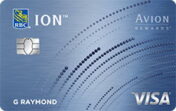
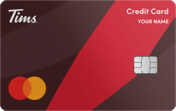
Points counted at 1.7 cents each, our value for RBC Avion. Why we value RBC Ion Visa this way
Cash back, counted at face value. Why we value Tims this way
Lower is better here.
Typical spending, $2,500 a month. Bigger is better.
Counted at your spending, not the advertised maximum.
See the 2 parts
- 3,500 Avion points when you are approved ($60)
- 3,500 Avion points after you spend $500 in the first 3 months ($60)
Quebec rules change some rates and fees.
More comparisons with these cards
Pairs our editors picked. Numbers are year one at typical spending.

Mr. Loonie’s tip Look at every year after before year one. A big welcome offer pays once; the earn rates pay every month you keep the card.
Questions
How do you work out year one?
We add what each card earns at your spending, plus the part of the welcome offer you’d get, then take off the first year’s annual fee. Every year after leaves out the offer and uses the regular fee.
Can I compare more than two cards?
Yes, up to four. Tap Add a card above the table, or + Compare on any card page.
Do banks pay to appear here?
No. You pick the cards and the math decides the numbers. We may earn a fee when you apply through some links. That never changes a number.
Year one adds what each card earns at the spending you picked, plus the part of the welcome offer that spending reaches, then takes off the first year’s fee. Every year after leaves out the offer and uses the regular fee. Points are counted at the value shown under each card.
Sources, checked by us:
- RBC Ion Visa: rbcroyalbank.com, checked Nov 8, 2026
Rates, fees and offers come from the card issuers and change often. We work to keep this page accurate and current, but it may contain mistakes, so always check the issuer’s terms before you apply. Values are estimates for the spending you picked, rounded to the nearest dollar.
Spot something wrong? We’ll check it with the bank. Suggest a correction